Reconditioned Vauxhall Astra Engine Supply and Fitting Near Me: My Journey from Breakdown to Back on the Road
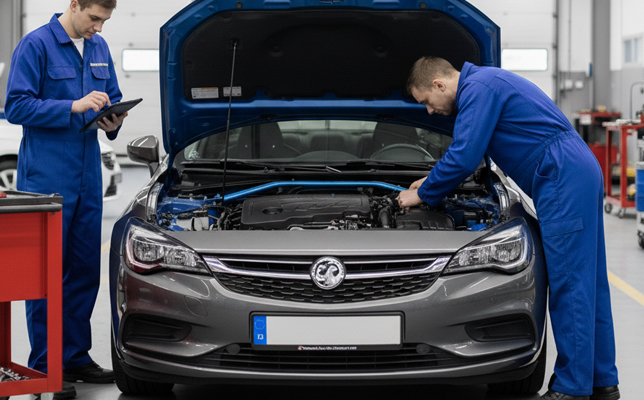 17Mar26
What Actually Happens Inside a Reconditioned Engine — and Is It Really as Good as New?
When my reconditioned Vauxhall Astra engine arrived, I’ll admit I stood in the garage staring at it with a mixture of relief and scepticism. I’d read the terminology — rebuilt Vauxhall Astra engine, remanufactured Vauxhall Astra, recon engine — but what did any of it actually mean in practice? The honest answer surprised me. A properly reconditioned engine isn’t simply a cleaned-up second-hand unit thrown back into service. It goes through a rigorous strip-down process where every internal component is measured against British Engineering Standards (BS EN), and anything outside acceptable tolerances and clearances is replaced or machined. That includes cylinder head resurfacing, crankshaft grinding, engine block honing, and fitting oversized pistons and rings where wear demands it. OEM (Original Equipment Manufacturer) parts are used wherever possible, which means the rebuilt unit often performs closer to factory specification than most drivers expect.
What sets a genuinely remanufactured unit apart from a rough-and-ready second-hand swap is the assembly process itself. Every reconditioned engine worth buying will have been through compression testing before dispatch, confirming that combustion chambers are sealing correctly and producing consistent pressure across all cylinders. The internal combustion assembly is inspected under workshop conditions, not a forecourt. When I finally had mine installed and the technician ran a diagnostic, there were no fault codes — no DTCs, no warning lights, nothing. That peace of mind is exactly what you’re paying for when you choose reconditioned engines over a gamble on an unknown used unit. For anyone still uncertain about the difference, think of it this way: a used engine has an unknown history, while a reconditioned one has a documented, tested, and certified rebuild behind it.
Where Can You Find a Replacement Vauxhall Astra Engine for Sale in the UK — and How Do You Avoid the Dodgy Ones?
Finding a trustworthy replacement Vauxhall Astra engine was, frankly, the most stressful part of the whole experience. Search for engine for sale in UK and you’ll be met with an overwhelming mix of breakers, online marketplaces, and specialist suppliers — all claiming to offer the best deal. The key is knowing what separates a reputable replacement engine supplier near me from someone flogging a unit pulled from a flood-damaged donor vehicle with no paperwork. The first thing I looked for was verified mileage documentation and service history records on the donor vehicle. Any credible supplier should be able to tell you exactly where the engine came from, its recorded mileage, and whether an HPI clearance check has been carried out. Without that, you’re essentially buying blind.
Once I narrowed down my shortlist, I focussed on suppliers offering buyer protection guarantees and secure checkout processes — because paying several hundred pounds for a used engine for sale near me with no comeback is a risk nobody should take. I also spent time reading customer testimonials and Trustpilot ratings, which told me far more than any product description. The supplier I eventually chose had consistent five-star feedback specifically mentioning fast dispatch, accurate descriptions, and responsive after-sales support. If you’re searching for the best place to buy engines in the UK, my honest advice is this: ignore the cheapest listing and find the supplier with the most transparent documentation. A low-mileage petrol or diesel unit from a verified, low-impact donor vehicle is worth every extra pound over a mystery unit sold “as seen.” Recycled vehicle components — sometimes called green parts — are only a sound investment when the supply chain is fully traceable.
How Much Does a Reconditioned Vauxhall Astra Engine Actually Cost — and What Does the Price Really Include?
Before I committed to anything, I spent a good few evenings studying reconditioned engine prices and trying to understand why quotes varied so wildly. The cost of reconditioned engine units for the Vauxhall Astra ranged from around £450 to well over £1,200 depending on the engine variant, the supplier’s rebuild standard, and what was included in the price. What I eventually learned is that headline figures can be misleading if you don’t read the fine print. Some suppliers quote VAT inclusive pricing upfront; others add it at checkout. Some include a surcharge exchange policy requiring you to return your old core unit, which can add unexpected cost if you’ve already scrapped yours. Checking whether you’re looking at a fixed-price quote or an estimate subject to inspection makes an enormous difference to your final bill.
The most useful resource I found was a detailed reconditioned engines price list UK from one of the larger specialist suppliers, which broke down costs by engine code and rebuild level. This kind of reconditioned engines price list transparency tells you whether you’re paying for a basic clean-and-test unit or a full machined rebuild with new seals, gaskets, and timing components. It also helped me understand market value depreciation — the fact that a 2nd hand engine from a low-mileage donor can sometimes offer comparable reliability to a fully machined unit at a lower price point, provided the donor vehicle condition has been properly assessed. Labour rates per hour vary significantly by region, so always get the fitting cost itemised separately. When comparing reconditioned engine price across suppliers, ask specifically: does this include ancillary parts such as the water pump and timing belt? Those additions can push a seemingly cheap engine into genuinely competitive territory with a more expensive fully-built alternative.
What Does “Engine Supply and Fitting Near Me” Actually Involve — and Should You Use the Same Place for Both?
When I first started researching engine supply and fitting, I naively assumed I could buy the engine from one supplier and have any local garage fit it. In practice, it’s considerably more complicated than that. The Vauxhall Astra supplied and fitted route — where a single company handles both the sourcing and the installation — turned out to be significantly less stressful and, in my case, more cost-effective overall.
Here’s why: when the supplier and the fitter are the same business, accountability is crystal clear. If a problem arises post-installation, there’s no finger-pointing between the parts supplier and the fitting garage. The engine supply and fit near me model also means the technicians fitting the unit are already familiar with its build spec, reducing the chance of installation errors or incorrect torque settings during reassembly.
Used, Reconditioned, or Remanufactured — Which Type of Second Hand Vauxhall Astra Engine Is the Right Choice for You?
This was the question I found hardest to answer confidently, and it’s one I’ve since seen confuse a lot of other Astra owners. The terms used Vauxhall Astra engine, second hand Vauxhall Astra engine, and remanufactured Vauxhall Astra engine are often used interchangeably in listings, but they describe genuinely different products with different risk profiles. A used motor engine — sometimes listed as a 2nd hand engine or used engine sale unit — is essentially a pulled engine from a donor vehicle that has been visually inspected and possibly compression tested, but has received no machining or internal rebuild work.
Its condition is entirely dependent on the donor vehicle’s history. A refurbished engine sits somewhere in the middle: cleaned, some worn parts replaced, but not necessarily rebuilt to full OEM specification. A fully remanufactured unit, by contrast, is stripped to the bare block, every component measured, worn parts replaced, and the whole assembly rebuilt to factory tolerances.
What Should You Watch Out for After Getting a Replacement Engine Fitted — and Was It Worth It in the End?
The week after my replacement engine was fitted was, I’ll be honest, slightly nerve-wracking. Every unusual sound from the engine bay had me second-guessing the decision. But the technician had walked me through the post-installation checks — compression testing confirmed, fluids at correct levels, no warning lights — and sure enough, after a gentle running-in period of around 500 miles, the car settled into exactly the kind of smooth, responsive performance I remembered from when the Astra was newer.
If you’ve recently had an engine supply and fitting job completed, the most important thing to do immediately is monitor the coolant temperature gauge during the first few journeys and check for any oil or coolant weeping around the gasket joints. Small seating leaks can occur as new seals bed in, and catching them early prevents a minor issue becoming a major one.