Replacement Engines is Committed to Offer Customers a Cost Effective Solution to their Engine Problems
How to Verify a Replacement Engine Supplier Near Me: Red Flags I Ignored When Buying a Used Audi RS2 Engine
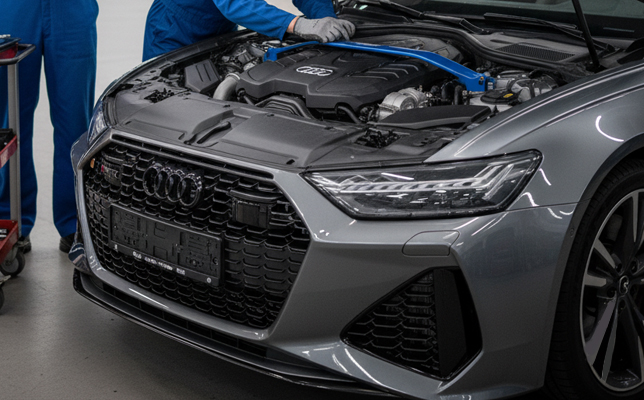
What Should You Actually Check Before Trusting Any Engine Supplier Near You?
When I first started looking for a replacement engine supplier near me, I assumed the process would be straightforward — find a supplier, check the price, get it fitted. I was wrong. The market for a used Audi RS2 engine is surprisingly murky, with dozens of traders operating online who look legitimate on the surface but fall apart the moment you ask detailed questions. Before committing to any purchase, the bare minimum you should verify includes the supplier’s physical address (not just a mobile number), their VAT registration, and whether they appear on Companies House. A supplier who cannot confirm these basics is a serious concern, no matter how competitive their reconditioned engine prices appear.
Beyond the paperwork, you need to ask about the donor vehicle. Any credible seller of a second hand Audi RS2 engine should be able to provide verified mileage documentation, service history records, and ideally an HPI clearance check on the vehicle the unit came from. These aren’t bureaucratic formalities — they’re your only window into what that engine has genuinely been through. I skipped this step entirely because the supplier sounded confident on the phone. That confidence, I later learned, costs nothing to fake. Always request documentation in writing, and if a supplier hesitates or claims it “isn’t their policy,” walk away immediately.
How Do You Tell the Difference Between a Reconditioned, Rebuilt, and Remanufactured Engine — and Why Does It Matter for Your Audi RS2?
One of my biggest mistakes was not understanding what I was actually buying. The terms reconditioned Audi RS2 engine, rebuilt Audi RS2 engine, and remanufactured Audi RS2 are used almost interchangeably by sellers, but they describe very different levels of work. A reconditioned engine typically involves stripping the unit, replacing worn components such as oversized pistons and rings, performing crankshaft grinding, and reassembling within specified tolerances and clearances. A rebuilt engine may simply mean a worn unit has been cleaned and had a few gaskets replaced — the bare minimum. A remanufactured engine, on the other hand, is restored to OEM (Original Equipment Manufacturer) specifications, often including cylinder head resurfacing, engine block honing, and compression testing to confirm it meets British Engineering Standards (BS EN).
For a high-performance vehicle like the RS2, the distinction is critical. The 2.2-litre turbocharged five-cylinder in the RS2 was built to tight tolerances from the factory, and cutting corners during internal combustion assembly will result in premature failure. When I purchased what was described as a recon engine, I later discovered the block had not been honed and the compression figures were inconsistent across cylinders — a red flag that proper compression testing would have caught immediately. If you’re comparing a reconditioned engine price against a cheaper “rebuilt” alternative, the lower figure rarely reflects the actual quality difference. Always request a full written breakdown of what machining work has been carried out before you agree to anything.
Where Is the Best Place to Buy Engines in the UK Without Getting Caught Out?
Finding the best place to buy engines in the UK is less about geography and more about due diligence. I naively assumed that searching for engine sales near me and picking a result with a decent-looking website was sufficient vetting. It isn’t. The most trustworthy suppliers of reconditioned engines UK-wide will have verifiable customer testimonials, Trustpilot ratings you can cross-reference independently, and a clear warranty claim procedure documented before purchase. If the warranty section of a website is vague — phrases like “we offer full support” without specifying duration, parts coverage, or labour inclusion — treat it as a warning sign.
There are genuinely reputable places to find engine for my car across the UK, including established motor factors, salvage specialists with professional grading systems, and dedicated remanufacturing facilities. The latter are often the safest option for performance vehicles, as they operate under controlled conditions with certified technicians, engine hoists, and specialised tools. Many also offer engine supplied and fitted packages, which removes the risk of fitment errors by your local garage. I wish I had chosen this route. Instead, I sourced the unit separately and discovered too late that the supplying trader had no accountability once the engine left their yard. For peace of mind, look for suppliers offering secure checkout or escrow services and a buyer protection guarantee — these signal a business that stands behind what it sells.
What Are the True Costs of a Reconditioned Engine, and How Do Suppliers Hide Charges?
The reconditioned engine prices I encountered varied so wildly — from £1,200 to over £4,000 for the same RS2 application — that I assumed the lower-priced units were simply better value. In reality, that spread reflects dramatically different levels of reconditioning, warranty terms, and hidden charges that only appear after you’ve committed. Suppliers who provide a reconditioned engines price list UK upfront are far easier to trust than those who quote verbally and adjust the figure later. Always ask for VAT inclusive pricing in writing, and check whether the quote includes a surcharge exchange policy — meaning you’ll owe a deposit on your old core unit that is only returned once they inspect it and deem it acceptable.
Labour rates per hour for fitting a performance engine can also vary significantly depending on your region and the garage’s experience level. An Audi RS2 supplied and fitted package from a specialist may seem more expensive at face value, but when you factor in the cost of reconditioned engine separately, plus fitting, fluid flush and refill for coolant and oil, ancillary parts such as a water pump and timing belt, and potential ECU re-programming if diagnostic trouble codes (DTCs) are triggered during commissioning, the all-in price from a specialist is often comparable — and far less stressful. I paid separately for every one of those items after the fact, and the total significantly exceeded what a combined engine supply and fitting package would have cost.
How Do You Spot a Dodgy Seller When Searching for Used Engines for Sale Near Me?
The red flags were there when I was searching for a used engine for sale near me — I simply didn’t know how to read them. The first warning sign is urgency. Any seller who pressures you to “reserve it today” or claims another buyer is waiting is using a classic high-pressure tactic designed to prevent you from doing proper research. Legitimate traders of used motor engines understand that buyers need time to verify, especially for a specialist application like an RS2 unit. The second red flag is an absence of any structured returns or warranty process. If a seller cannot explain their warranty claim procedure in plain English, assume there isn’t one.
Another pattern I’ve since learned to avoid: sellers who list a 2nd hand engine or for sale engine with nothing but a photo and a mileage figure. Reputable suppliers will provide the donor vehicle’s registration, evidence of its condition, and in many cases, a short video of the engine running prior to removal. When buying used engines, always ask whether the unit has been compression tested and whether the results are available in writing. I accepted verbal assurances and paid the price when the engine exhibited oil consumption issues within three months of fitting. Had I insisted on documented compression testing results and a clear buyer protection guarantee, I would either have received a better unit or had legal grounds for a claim.
What Should the Engine Supply and Fit Process Actually Look Like — and What Questions Should You Ask Your Garage?
Understanding what proper engine supply and fit near me looks like is just as important as choosing the right unit. Many people, myself included, assume that dropping the car at a garage and collecting it a few days later is the whole story. In practice, a professional engine replacement UK job on a complex vehicle like the RS2 involves significantly more. The fitting garage should be using a proper engine hoist, replacing all ancillary parts that are wear-prone (particularly the timing belt and water pump, which would be foolish to reuse), performing a full fluid flush and refill, and running diagnostic checks post-fitment to confirm no DTCs are present. VOSA approved garages with Audi-specific experience are preferable for this work.
Before agreeing to any engine supply and fitting arrangement, ask your garage for a fixed-price quote that itemises every element of the job. This protects you from unexpected charges and gives you a benchmark for comparison. Ask whether they have experience fitting refurbished engines near me from the same supplier, and whether they can vouch for the unit’s quality. A good garage will also advise you on market value depreciation — particularly relevant if you’re investing in a high-spec vehicle, as a poorly fitted or inappropriate engine can significantly affect the car’s value. Had I asked these questions before authorising the work, I would have discovered that my chosen garage had never fitted an RS2 engine before and lacked the specialised tools to do the job correctly. The lesson was expensive, but it’s one I’ll never repeat — and hopefully, you won’t have to learn it the same way.